
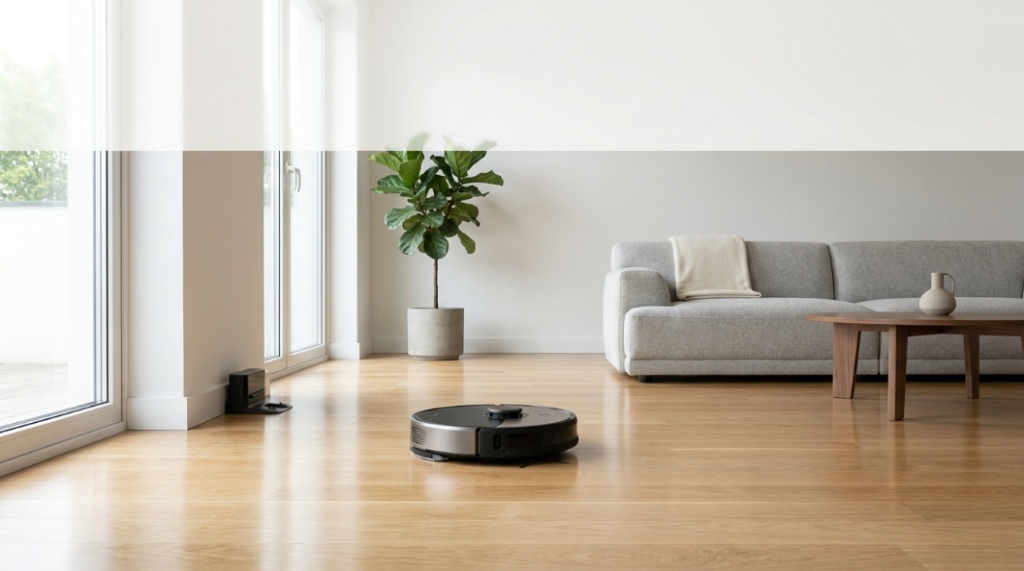
Most people don’t realize that a single strand of human hair is stronger than copper of the same diameter—and that’s exactly why robot vacuum hair tangles destroy brush rolls faster than dust ever will. The best smart vacuum for long human hair is one with anti-tangle brush technology, strong suction, intelligent mapping, and automatic debris handling designed specifically for daily cleaning routines.
Why do robot vacuums struggle with long human hair?
Robot vacuums struggle with long hair because strands wrap tightly around brush rolls, wheel axles, and side brushes, reducing suction power and increasing maintenance.
Long human hair is one of the biggest challenges for any robotic cleaner. Unlike pet fur, human hair is often longer, finer, and more likely to wrap around rotating components. Over time, this creates:
- Brush roll jams
- Reduced airflow
- Motor strain
- Lower battery efficiency
- Frequent manual cleaning
According to consumer appliance repair reports, hair tangles are among the top maintenance complaints for robot vacuums used in homes with multiple residents or long-haired individuals.
The problem becomes worse when daily debris includes:
- Hair shedding
- Dust buildup
- Carpet fibers
- Lint
- Bathroom hair accumulation
Many cheap robot vacuums advertise strong suction but ignore brush design. That is why anti-tangle engineering matters more than raw suction numbers alone.
What is the best robot vacuum for long human hair and daily cleaning?
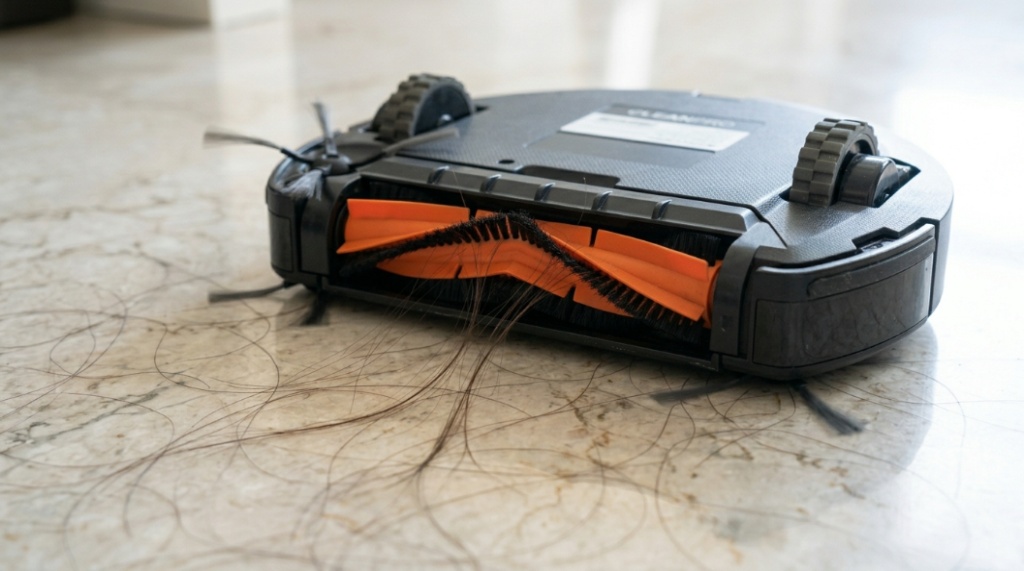
The best robot vacuum for long human hair combines anti-tangle brushes, LiDAR navigation, strong suction, smart mapping, and self-emptying features for low-maintenance daily cleaning.
Not every smart vacuum is built for hair-heavy homes. Some models excel on hardwood floors while others handle carpets better. The ideal choice depends on your flooring, cleaning frequency, and maintenance tolerance.
Top robot vacuum features for long hair cleaning
The most important features are anti-tangle brush systems, high suction power, and intelligent navigation.
| Feature | Why It Matters |
|---|---|
| Anti-tangle brush roll | Prevents hair wrapping around rollers |
| Strong suction | Pulls hair from carpets and corners |
| LiDAR mapping | Improves cleaning efficiency |
| Self-empty dock | Reduces manual maintenance |
| Rubber roller system | Handles hair better than bristle brushes |
| Smart obstacle avoidance | Prevents getting stuck during daily runs |
Which robot vacuum handles hair tangles the best?
Robot vacuums with rubberized dual rollers and anti-tangle comb systems usually perform best against hair wrapping issues.
Some modern smart vacuum brands now engineer brush rolls specifically for hair-heavy households. These designs actively separate and direct hair into the dustbin before tangles form.
Best anti-tangle technologies currently available
- Rubber dual brush rollers
- Floating anti-wrap brushes
- Self-cleaning brush systems
- Hair-cutting comb mechanisms
- Brushless suction channels
Rubber rollers are especially effective because hair slides off more easily compared to traditional bristle brushes.
Why rubber rollers outperform bristle brushes
Rubber brush systems create less friction, reducing hair accumulation around rotating parts.
Traditional bristle brushes trap strands deep inside the brush roll. That means more maintenance and frequent cutting with scissors. Rubber rollers minimize this problem significantly.
Are self-emptying robot vacuums worth it for daily cleaning?
Yes, self-emptying robot vacuums are worth it for homes with long hair because they reduce maintenance frequency and improve cleaning consistency.
Daily cleaning generates more debris than most people expect. Human hair accumulates quickly under beds, near bathrooms, and around furniture edges.
A self-emptying smart vacuum helps by:
- Automatically transferring debris into a larger bin
- Reducing dust exposure
- Improving daily cleaning automation
- Preventing overfilled onboard dustbins
Some premium models can store debris for 30–60 days before manual emptying is required.
Who benefits most from self-empty robot vacuums?
- Long-haired households
- Families with children
- Pet owners
- Apartment residents
- Busy professionals
How much suction power does a robot vacuum need for long hair?
For long human hair and daily cleaning, a robot vacuum should ideally provide at least 3,000–5,000 Pa suction power.
Hair removal requires more than surface-level suction. Fine strands settle into carpet fibers and floor gaps.
Higher suction helps remove:
- Embedded hair
- Dust mites
- Fine debris
- Carpet lint
- Skin particles
However, suction alone is not enough. Airflow design and brush engineering matter equally.
Does higher suction always mean better cleaning?
No, poor airflow design can make high suction ineffective against tangled hair.
Some budget vacuums advertise extreme suction numbers but perform poorly due to weak brush systems or poor debris channels.
A balanced system matters more than specifications alone.
Can robot vacuums replace traditional vacuum cleaners?
Robot vacuums can handle most daily floor maintenance, but deep cleaning still benefits from a traditional upright or cordless vacuum.
For everyday dust, crumbs, and hair, robotic cleaners are highly effective. They maintain floor cleanliness continuously rather than waiting for weekly cleaning sessions.
But certain tasks still require manual vacuums:
- Deep carpet cleaning
- Stair cleaning
- Furniture upholstery
- High-pile rugs
- Heavy debris pickup
The best strategy is combining a smart vacuum for maintenance with a traditional vacuum for occasional deep cleaning.
What flooring works best with robot vacuums for hair?
Hardwood, laminate, tile, and low-pile carpet are the easiest surfaces for robot vacuums to clean effectively.
Long hair behaves differently depending on flooring type.
Best flooring types for hair pickup
| Floor Type | Performance | Hair Removal Difficulty |
|---|---|---|
| Hardwood | Excellent | Low |
| Tile | Excellent | Low |
| Laminate | Very Good | Low |
| Low-pile carpet | Good | Medium |
| High-pile carpet | Moderate | High |
Hair tends to cling more aggressively to high-pile carpet fibers, making stronger suction and rubber rollers especially important.
How often should you run a robot vacuum in a long-haired household?
Homes with long-haired residents benefit most from daily robot vacuum cleaning sessions.
Hair accumulation happens gradually but continuously. Running a smart vacuum once daily prevents buildup before tangles become severe.
Recommended cleaning schedules
- 1–2 residents with long hair: Once daily
- Families with children: Twice daily
- Homes with pets + long hair: Two or more daily cycles
- Small apartments: Every other day may work
Most smart vacuum apps allow:
- Room-specific scheduling
- No-go zones
- Multi-floor mapping
- Voice assistant integration
- Automatic recharge and resume
Do smart vacuums work well in apartments?
Yes, smart vacuums are especially effective in apartments because they maintain cleanliness in compact spaces with minimal effort.
Apartment living often means:
- Limited storage space
- Hardwood or tile flooring
- Frequent dust accumulation
- Smaller cleaning areas
A compact robot vacuum handles these environments efficiently while reducing daily sweeping and manual vacuuming.
Best apartment-friendly robot vacuum features
- Quiet operation
- Slim design for under-bed cleaning
- Strong edge cleaning
- Smart mapping
- Automatic scheduling
What maintenance does a robot vacuum need for hair-heavy homes?
Hair-heavy homes require regular brush cleaning, filter replacement, and sensor maintenance to keep robot vacuums working efficiently.
Even anti-tangle smart vacuums need occasional upkeep.
Essential maintenance checklist
- Remove wrapped hair weekly
- Clean sensors every 2 weeks
- Wash filters monthly if reusable
- Empty dustbin regularly
- Inspect wheels for trapped hair
Ignoring maintenance reduces suction performance and shortens motor lifespan.
How long do robot vacuums last?
Most high-quality robot vacuums last between 4–7 years with proper maintenance.
Battery lifespan depends heavily on:
- Cleaning frequency
- Charging cycles
- Floor type
- Hair load
- Motor strain
Are expensive robot vacuums actually better?
Premium robot vacuums usually provide better navigation, stronger anti-tangle systems, and lower long-term maintenance costs.
Budget models can handle light cleaning, but daily hair management demands stronger engineering.
What premium models typically offer
- Advanced LiDAR mapping
- AI obstacle recognition
- Self-empty systems
- Smarter route optimization
- Better carpet detection
- Superior battery efficiency
Higher-end smart vacuum systems also clean faster because they avoid random navigation patterns.
Which mistakes reduce robot vacuum performance?
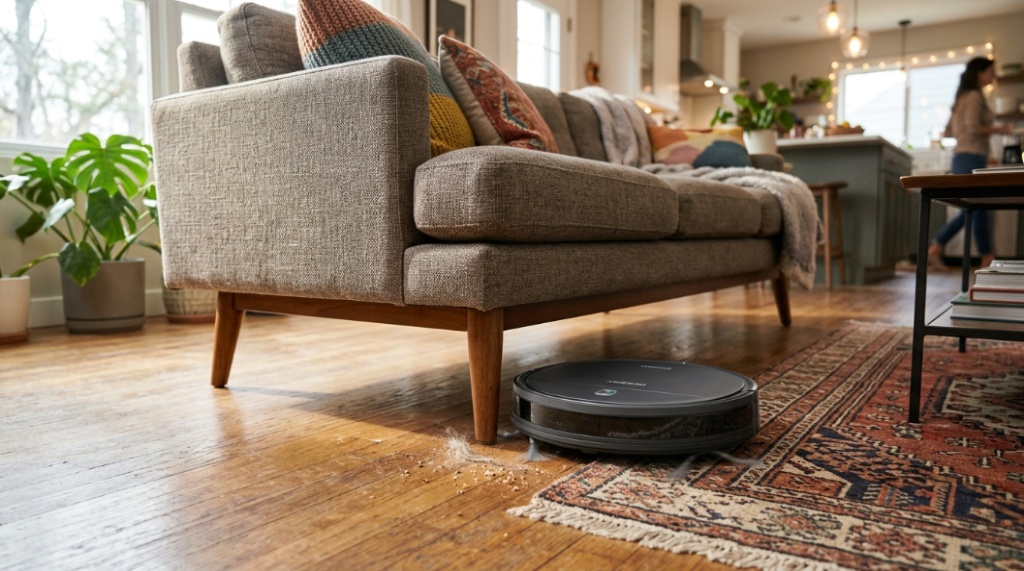
Overfilled bins, tangled rollers, cluttered floors, and neglected filters are the biggest causes of reduced cleaning performance.
Common robot vacuum mistakes
- Ignoring brush maintenance
- Running on tangled charging cables
- Skipping map updates
- Using incorrect suction settings
- Allowing bins to overflow
Simple maintenance habits dramatically improve long-term reliability.
Should you buy a robot vacuum specifically for long hair?
Yes, households with long hair should prioritize robot vacuums designed specifically for anti-tangle performance.
Generic models may seem cheaper initially, but constant maintenance becomes frustrating quickly.
The best robot vacuum for long human hair focuses on:
- Low-maintenance brush systems
- Reliable daily scheduling
- Strong carpet extraction
- Efficient navigation
- Hair-resistant engineering
That combination creates a genuinely hands-free cleaning experience.
Conclusion
Long human hair creates unique cleaning challenges that ordinary robotic cleaners often fail to handle properly. The biggest issue is not suction alone—it is the combination of brush design, airflow engineering, smart navigation, and maintenance efficiency.
The best smart vacuum for hair-heavy homes uses anti-tangle technology, intelligent mapping, and automated cleaning systems that reduce manual work. Features like rubber rollers, self-empty docks, LiDAR navigation, and strong suction transform daily cleaning from a constant chore into an automated routine.
If your current vacuum constantly clogs with hair, upgrading to a robot vacuum designed for long hair can dramatically improve floor cleanliness while saving time every week.
Focus on performance, maintenance design, and real-world usability instead of marketing claims alone. A properly chosen robot vacuum becomes less of a gadget and more of a reliable daily cleaning system.
Want cleaner floors with less effort? Choose a smart vacuum built specifically for robot vacuum hair tangles and daily maintenance needs.
Frequently Asked Questions
What is the best robot vacuum for long human hair?
The best robot vacuum for long human hair is one with anti-tangle rubber rollers, strong suction, smart mapping, and self-emptying capability.
Do robot vacuums get clogged with human hair?
Yes, many robot vacuums can clog with long hair if they lack anti-tangle brush systems or regular maintenance.
How do I stop hair from tangling in my robot vacuum?
Choose a robot vacuum with rubber rollers, clean brushes weekly, and avoid overfilled dustbins to reduce hair tangles.
Are robot vacuums good for daily cleaning?
Yes, robot vacuums are highly effective for daily maintenance cleaning, especially for dust, crumbs, and hair buildup.
Can robot vacuums clean carpets with long hair?
Yes, high-suction robot vacuums with carpet boost mode and anti-tangle brushes can clean long hair from carpets effectively.
How often should I clean my robot vacuum brush?
For homes with long hair, cleaning the brush roll once per week is recommended for optimal performance.
Is a smart vacuum worth buying?
A smart vacuum is worth buying if you want automated daily cleaning, reduced manual vacuuming, and better maintenance of dust and hair buildup.
📌 Related Reads