
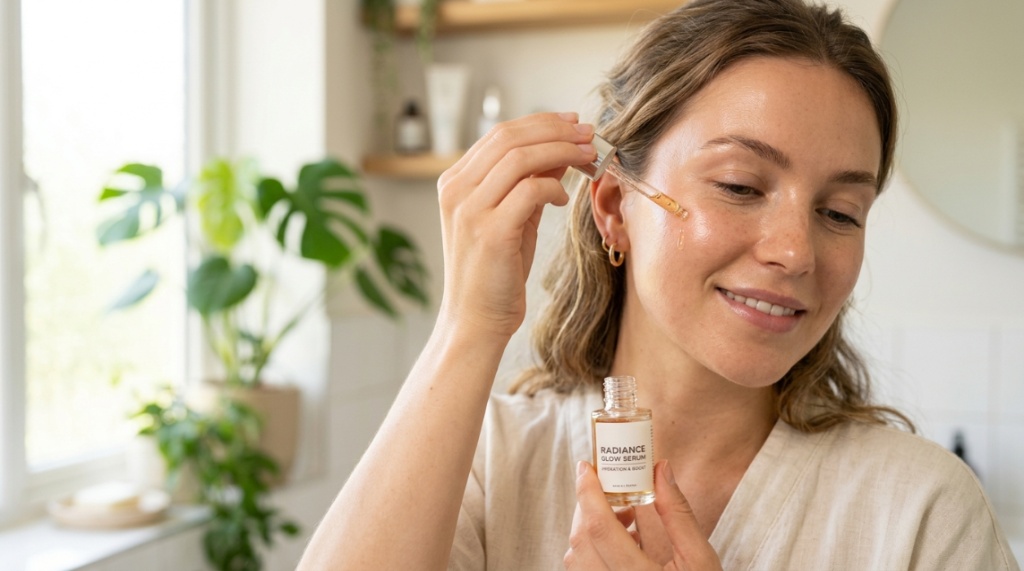
You have probably stood in front of a beauty aisle, staring at dozens of vitamin C serums, wondering why one bottle costs twenty dollars and another costs over a hundred. Your skin wants the brightening, anti-aging benefits, but your wallet is not exactly begging for a three-figure splurge. The struggle is real: you want radiant skin, but you do not want to pay rent-sized prices for a tiny dropper bottle. The good news is that finding an effective, affordable vitamin C serum is absolutely possible if you know exactly what to look for. This guide will walk you through every single factor you need to consider so you can stop guessing, stop overpaying, and finally get the glow you deserve without the financial guilt.
What Makes a Vitamin C Serum Actually Effective?
Not all vitamin C serums are created equal. An effective serum relies on three critical factors: the right form of vitamin C, a stable formulation, and a sufficient concentration. If any of these elements are missing, you are essentially paying for fancy water.
The Type of Vitamin C Matters More Than the Price Tag
L-ascorbic acid is the gold standard form of vitamin C that your skin can actually use. However, it is notoriously unstable and oxidizes quickly when exposed to light and air. Affordable serums often use derivatives like Sodium Ascorbyl Phosphate or Ascorbyl Glucoside, which are more stable and gentler on sensitive skin. Do not assume a cheaper derivative means lower quality; for many skin types, these derivatives work better because they cause less irritation.
Concentration: More Is Not Always Better
You will see percentages ranging from 5% to 20% on bottles. For an affordable vitamin C serum, a concentration between 10% and 15% is the sweet spot. Below 10%, results take longer. Above 20%, irritation skyrockets without much additional benefit. Budget-friendly brands often get this right because they formulate for the widest possible audience.
Packaging Is Your First Clue
Vitamin C hates light, air, and heat. If a serum comes in a clear glass bottle, skip it. Look for opaque, airless pumps or dark amber bottles. Affordable options that invest in proper packaging are usually more serious about efficacy than those that just look pretty on a shelf.
Why Does Affordable Vitamin C Serum Sometimes Fail?
Many budget serums fail because brands cut corners on stability, use filler ingredients, or package them poorly. Understanding why they fail helps you avoid the duds.
Oxidation: The Silent Killer of Results
When vitamin C oxidizes, it turns orange or brown and loses all antioxidant power. Some affordable serums oxidize within weeks because the formula lacks stabilizing ingredients like ferulic acid or vitamin E. If you open a bottle and it already smells like hot dog water, it is already expired.
Filler Ingredients That Do Nothing
Cheap serums often contain water, alcohol, or fragrance as primary ingredients instead of active compounds. Alcohol dries out your skin, and fragrance can cause inflammation, which defeats the purpose of an antioxidant serum. Always check the ingredient list before buying.
pH Level Problems
L-Ascorbic acid works best at a pH below 3.5. If the pH is too high, the vitamin C cannot penetrate your skin. Many affordable brands do not adjust pH properly, meaning you get zero benefit even if the ingredient is listed on the label.
How to Read an Affordable Vitamin C Serum Ingredient List Like an Expert
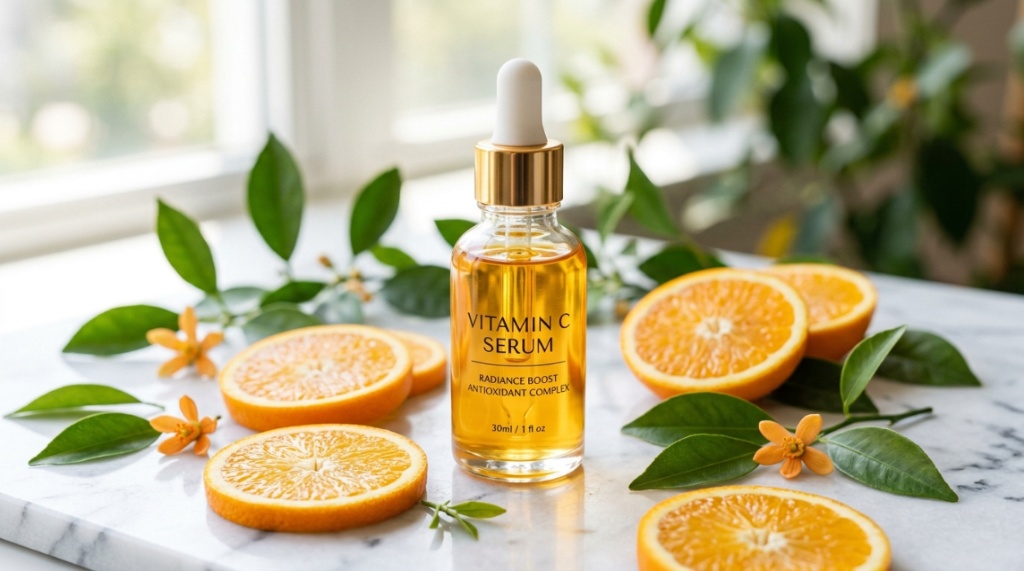
You do not need a chemistry degree to decode a label. You just need to know a few key ingredients and red flags to scan for in seconds.
Ingredients That Boost Performance
Look for ferulic acid (stabilizes vitamin C and boosts antioxidant power), vitamin E (works synergistically with C), and hyaluronic acid (adds hydration). If your affordable serum includes these, it is likely a well-formulated product.
Ingredients That Are Red Flags
- Denatured alcohol (dries out skin and causes irritation)
- Fragrance or parfum (unnecessary and can cause sensitization)
- Water as the very first ingredient with few actives following (diluted formula)
- Silicones high on the list (can block absorption of vitamin C)
How to Spot a Quality Budget Brand
Look for brands that publish third-party testing results or clearly state the percentage of vitamin C on the packaging. Transparency is a huge indicator of quality, even at lower price points. The affordable vitamin C serum options from reputable value brands often outperform luxury versions that spend more on marketing than on ingredients.
Which Skin Types Benefit Most from Affordable Vitamin C Serums?
Vitamin C is beneficial for almost everyone, but certain skin types see faster and more noticeable results with the right formula at the right price.
Oily and Acne-Prone Skin
Vitamin C helps regulate oil production and reduces post-inflammatory hyperpigmentation (those dark spots left after a pimple). Affordable serums with a lower concentration (around 10%) work well without clogging pores or adding extra oil.
Dry and Dehydrated Skin
Look for an affordable serum that pairs vitamin C with hydrating ingredients like glycerin, hyaluronic acid, or squalane. Dry skin needs the antioxidant boost plus moisture, so a budget-friendly hybrid formula is ideal.
Sensitive and Reactive Skin
Ascorbyl Glucoside or Magnesium Ascorbyl Phosphate are gentler forms of vitamin C. Affordable serums using these derivatives are often better for sensitive skin than expensive L-ascorbic acid options that sting upon application.
How to Store Your Serum to Make It Last Longer
Even the best affordable vitamin C serum will spoil quickly if you store it incorrectly. Proper storage extends the shelf life and ensures you get your money’s worth.
Keep It Cool and Dark
Store your serum in a cool, dark place like a drawer or cabinet. Avoid keeping it in the bathroom where humidity and temperature fluctuations accelerate oxidation. Some people refrigerate their serums to preserve potency.
Minimize Air Exposure
Airless pump bottles are superior to dropper bottles because they prevent air from entering the container. If your serum comes with a dropper, be extra careful to close the lid tightly immediately after use. Before investing your hard-earned money into viral makeup trends and luxury cosmetic hype—much like separating the truth from marketing when reviewing items like a Flawless Filter or Flawed Hype? Unveiling Charlotte Tilbury’s Secret it is essential to prioritize skincare essentials that deliver true scientific value without the inflated price tag.
Watch for Color Changes
A fresh serum should be clear or slightly pale yellow. If it turns dark yellow, orange, or brown, toss it. Using oxidized serum can actually cause free radical damage on your skin instead of preventing it.
Can You Layer Affordable Vitamin C Serum with Other Skincare Products?
Yes, but the order matters greatly. A well-planned routine maximizes the benefits of your budget-friendly serum without causing irritation or pilling.
The Correct Order of Application
- Cleanser (wait until skin is completely dry)
- Vitamin C serum (apply to dry skin for best absorption)
- Moisturizer (seals in the serum)
- Sunscreen (mandatory during the day)
What Not to Mix with Vitamin C
Avoid using vitamin C at the same time as benzoyl peroxide (it oxidizes the vitamin C) or strong exfoliating acids like glycolic acid (can cause irritation). You can use them in separate routines, vitamin C in the morning and acids at night.
Can You Use It with Niacinamide?
Yes, this old myth has been debunked. Niacinamide and vitamin C work beautifully together when applied at different times or even in the same routine. Just wait a minute between layers.
How Long Does It Take to See Results from an Affordable Vitamin C Serum?
Patience is key with any skincare product, especially budget-friendly options that may use gentler derivatives.
Immediate Effects (First 1-2 Weeks)
Your skin may look brighter and more hydrated immediately after application due to glow-boosting ingredients. True antioxidant protection starts from the first use, even if you cannot see it.
Visible Changes (4-8 Weeks)
Sun damage spots typically begin fading after about four weeks of consistent use. Fine lines may appear slightly softer. Affordable serums with stable derivatives often take a few extra weeks compared to high-concentration L-ascorbic acid, but the results are equally effective over time.
Long-Term Benefits (3-6 Months)
Continued use prevents new hyperpigmentation from forming, improves collagen production, and gives your skin a consistent, healthy glow. The key is consistency, not price.
When Is the Best Time to Apply Vitamin C Serum?
Timing affects both efficacy and value. Using your serum at the right time ensures every drop works hard for your skin.
Morning Application Is Ideal
Vitamin C is an antioxidant that protects your skin from environmental damage like pollution and UV rays throughout the day. Applying it in the morning boosts the effectiveness of your sunscreen. This is the most common recommendation from dermatologists.
Evening Application Works Too
If your skin stings with morning application or you simply forget, applying at night is still beneficial. Your skin repairs itself while you sleep, and vitamin C supports collagen production and cell turnover.
Can You Use It Twice a Day?
Using an affordable serum twice daily is safe for most skin types, but it may accelerate how quickly you run out of product. Once daily is sufficient for visible results.
Frequently Asked Questions
How much should I spend on a good vitamin C serum?
You can find effective serums between $10 and $30. Focus on ingredients and packaging rather than price. Many mid-range and affordable brands deliver results comparable to luxury options.
Can affordable vitamin C serum cause breakouts?
Some formulas contain silicones or oils that may clog pores for acne-prone skin. Choose an oil-free, non-comedogenic formula. If you break out, check the ingredient list for pore-clogging culprits.
How often should I apply an affordable vitamin C serum?
Start with every other day to let your skin adjust. Once your skin tolerates it well, apply once daily in the morning. Overuse can cause irritation, especially with higher concentrations.
Does affordable vitamin C serum expire faster than expensive brands?
Not necessarily. Expiration depends on formulation and packaging, not price. A well-packaged affordable serum with stabilizers can last just as long as a luxury version. Always check the expiration date before buying.
Can I use vitamin C serum if I have rosacea?
Yes, but choose a gentle derivative like ascorbyl glucoside. Avoid formulas with fragrance, alcohol, or high concentrations of L-ascorbic acid. Patch test before full application.
Is it normal for vitamin C serum to tingle?
A slight tingling sensation is normal, especially with L-ascorbic acid. Burning, stinging, or redness that lasts more than a few minutes indicates irritation. Stop use if you experience discomfort.
Do I need to refrigerate my affordable vitamin C serum?
Refrigeration can extend the life of L-ascorbic acid serums, but it is not necessary for stabilized derivatives. If your serum contains unstable vitamin C, refrigeration helps prevent oxidation.