
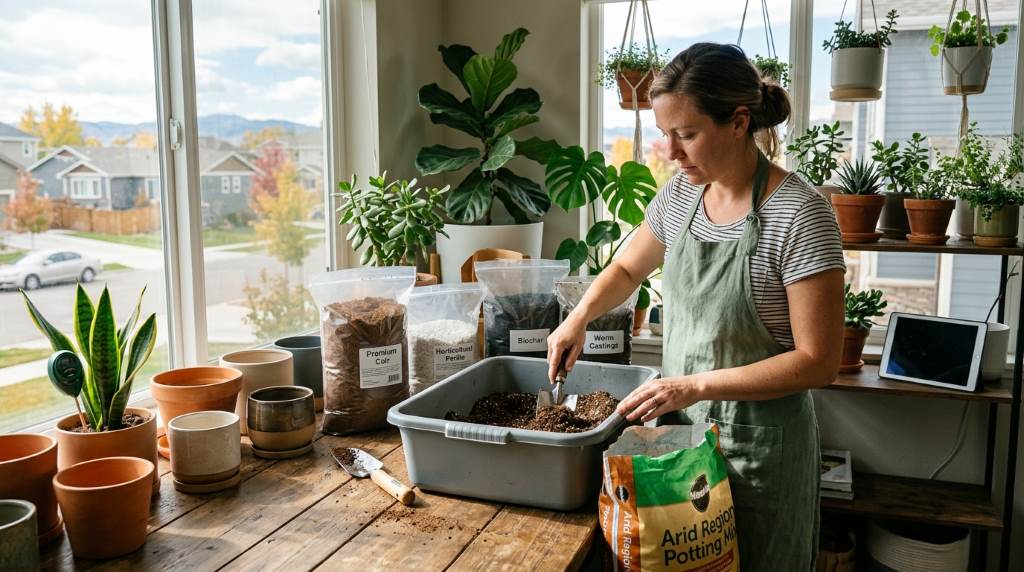
Denver homeowners continue to explore smarter indoor and outdoor gardening methods because the city’s dry climate creates unique soil challenges. According to the Colorado State University Extension, Colorado soils often drain too quickly and lose nutrients faster than soils in humid regions. Many local gardeners now prefer customized blends that improve moisture retention while still protecting roots from rot. As interest in houseplants and patio gardening grows, people also search for reliable ways to create healthier growing environments indoors. Many beginners even study guides like the chunky orchid bark soil mix recipe to better understand modern soil layering techniques for container plants.
Why Denver Homes Need Smart Potting Blends
Denver’s semi-arid climate affects how potting soil behaves throughout the year. Dry air quickly removes moisture from standard commercial mixes, especially during summer months. Indoor heating systems also reduce humidity levels inside homes during winter. As a result, many gardeners now use customized blends designed specifically for Colorado conditions.
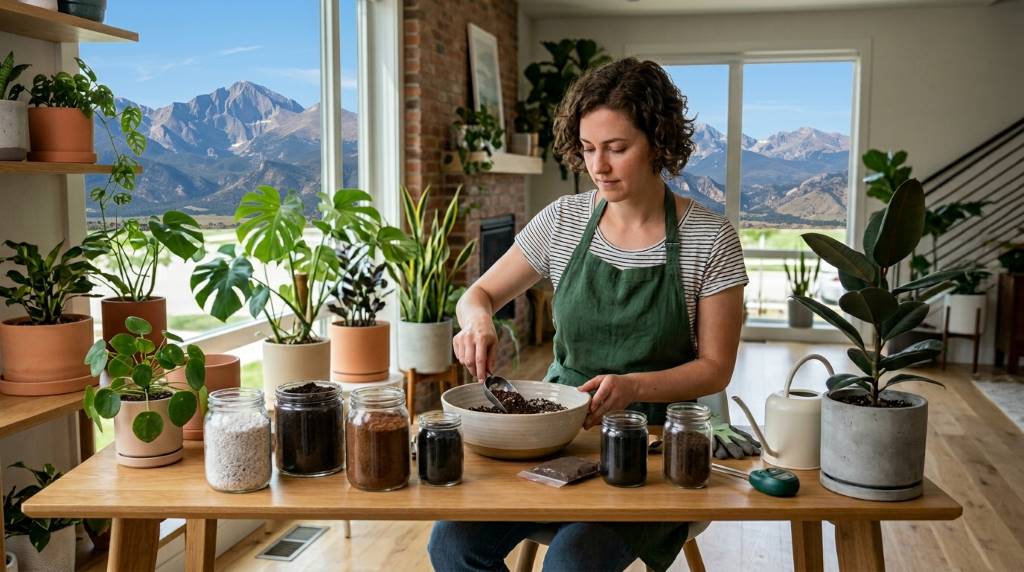
Smart potting blends help plants maintain balanced moisture levels without becoming waterlogged. These mixes often contain lightweight materials that improve airflow around roots. In addition, they reduce compaction over time, which supports long-term plant health. Denver gardeners prefer these blends because they lower maintenance while improving plant growth.
Local gardening communities also influence these trends across Denver neighborhoods. Homeowners often share soil recipes through workshops, online groups, and urban gardening events. Consequently, more people now experiment with organic and sustainable ingredients. This growing interest continues to shape modern container gardening practices across the city.
Key Ingredients Used in Modern Potting Blends
Coconut Coir for Moisture Control
Coconut coir has become one of the most popular ingredients in Denver homes. It absorbs water efficiently while still allowing excess moisture to drain properly. Unlike peat moss, coir remains loose for a longer period and supports better root aeration. Many gardeners also prefer it because it comes from a renewable source.
Denver gardeners often combine coir with compost and perlite for balanced performance. This mixture works especially well for indoor tropical plants and herbs. Furthermore, coir helps reduce watering frequency during hot summer periods. Homeowners appreciate this benefit because Colorado weather can shift quickly.
Perlite for Improved Drainage
Perlite remains essential in smart potting blends because it creates air pockets inside the soil. These pockets prevent roots from sitting in excessive moisture for extended periods. In Denver’s fluctuating temperatures, proper drainage becomes critical for healthy container plants. Therefore, perlite appears in many custom blends across local homes.
Gardeners frequently use extra perlite for succulents and cacti. These plants require rapid drainage to avoid root damage. Additionally, perlite keeps heavy soil from compacting after repeated watering. This lightweight material also helps containers stay easier to move around patios and balconies.
Compost for Nutrient Support
Organic compost provides valuable nutrients that many commercial mixes lack. Denver homeowners increasingly choose homemade compost because it supports sustainable gardening practices. Compost also improves microbial activity, which helps plants absorb nutrients more efficiently. As a result, plants often grow stronger and produce healthier foliage.
Many gardeners mix compost carefully to avoid overly dense soil textures. A balanced amount supports plant growth without reducing airflow around roots. Moreover, compost helps retain moderate moisture during dry weather conditions. This advantage makes it especially useful for outdoor container gardens.
Trending Potting Blend Methods in Denver
Layered Soil Blending
Layered soil blending has gained attention among Denver plant enthusiasts recently. This method uses different materials at specific levels inside containers. Gardeners often place coarse materials at the bottom and lighter blends near the top. Consequently, water drains more evenly through the container.
This technique works well for large decorative indoor planters. It also reduces the risk of soggy lower roots during winter months. Denver homeowners appreciate the method because it creates stable moisture zones for sensitive plants. Additionally, layered blends can extend the lifespan of potting soil.
Biochar Soil Enhancement
Biochar continues to trend in eco-conscious Denver households. This charcoal-like material improves nutrient retention while increasing beneficial microbial activity. Many gardeners add small amounts to container mixes for long-term soil improvement. Furthermore, biochar supports sustainable gardening because it stores carbon effectively.
Denver’s dry climate makes biochar especially useful for moisture management. It helps soil hold water longer without creating excessive saturation. Homeowners also notice reduced fertilizer needs after adding biochar to blends. This benefit lowers maintenance costs over time.
Mineral-Based Potting Systems
Mineral-based potting systems now attract homeowners interested in low-maintenance gardening. These blends contain pumice, lava rock, and coarse sand instead of heavy organic matter. Such materials improve drainage while reducing fungal problems indoors. Therefore, many Denver apartment gardeners prefer these systems for tropical plants.
These mixes also work well for people who travel frequently. Mineral ingredients dry more evenly and reduce sudden moisture swings. Additionally, they resist compaction far better than traditional soils. This consistency helps maintain healthier root systems throughout the year.
Best Potting Blends for Indoor Plants
Indoor plants remain highly popular across Denver homes because they improve air quality and add natural beauty. However, indoor environments often become very dry during winter heating seasons. Smart potting blends help counter these conditions by balancing moisture retention and airflow. As a result, indoor plants stay healthier with less frequent watering.
For tropical plants, many Denver gardeners use blends containing coir, bark, compost, and perlite. This combination supports strong root development while preventing excess moisture buildup. Snake plants and succulents perform better in mixes with higher mineral content. Meanwhile, ferns prefer blends that retain more consistent moisture levels.
Many homeowners also customize soil based on room conditions. Sunny south-facing windows often require faster-draining blends because evaporation happens quickly. In contrast, lower-light rooms may need lighter watering schedules and more aerated soil. Adjusting blends according to placement improves plant survival rates significantly.
Outdoor Container Gardening Trends
Raised Patio Gardens
Raised patio gardens continue to grow in popularity across Denver suburbs and downtown condos. Homeowners use smart potting blends to improve vegetable growth in compact spaces. Tomatoes, peppers, and herbs perform especially well in customized container systems. Consequently, patio gardening has become both practical and decorative.
Outdoor blends usually contain stronger nutrient support than indoor mixes. Compost, worm castings, and slow-release fertilizers often appear in these recipes. Furthermore, gardeners add mulch layers to reduce moisture loss during hot afternoons. This strategy helps containers survive intense summer sunlight.
Self-Watering Container Systems
Self-watering planters have become common in modern Denver homes. These systems store water beneath the soil while allowing roots to absorb moisture gradually. Smart potting blends improve their effectiveness by maintaining balanced airflow. Therefore, plants receive consistent hydration without becoming oversaturated.
Denver residents appreciate these systems because they reduce daily maintenance. Busy homeowners especially benefit during dry summer months. Additionally, self-watering containers support healthier root structures over time. Proper soil selection remains essential for achieving the best results.
Sustainable Gardening Practices in Denver
Sustainability now influences many gardening decisions across Denver communities. Homeowners increasingly avoid peat-heavy products due to environmental concerns. Instead, they select renewable ingredients like coconut coir and composted bark. These choices support eco-friendly gardening while maintaining excellent plant performance.
Many Denver gardeners also recycle organic household waste into homemade compost. Coffee grounds, vegetable scraps, and leaves provide valuable nutrients for potting blends. Consequently, gardeners reduce waste while improving soil quality naturally. This approach aligns with broader sustainability goals throughout Colorado.
Reusable soil amendments also contribute to smarter gardening practices. Materials like pumice and lava rock last for many years without breaking down quickly. Therefore, gardeners replace soil less frequently and reduce overall costs. Long-lasting blends support both environmental and financial benefits.
Common Potting Mistakes Denver Gardeners Avoid
Overwatering remains one of the biggest issues for container plants in Denver homes. Dry surface soil can mislead gardeners into watering too frequently. However, deeper layers may still contain enough moisture for healthy roots. Smart blends help reduce this problem through better drainage and airflow.
Using dense garden soil inside containers also causes frequent plant stress. Outdoor soil often compacts heavily and restricts root development indoors. Consequently, experienced gardeners avoid transferring yard soil directly into pots. Instead, they use lighter blends specifically designed for containers.
Ignoring seasonal changes creates additional challenges for indoor plants. Denver winters require different watering and humidity strategies compared to summer conditions. Therefore, many homeowners adjust soil blends throughout the year. Seasonal adaptation improves plant resilience and overall appearance.
How to Create a Smart Potting Blend at Home
Creating a custom potting blend allows Denver homeowners to control drainage, nutrients, and moisture retention more effectively. Most successful blends start with a lightweight moisture-retaining base like coconut coir. Gardeners then add aeration materials such as perlite or pumice. Finally, nutrient-rich compost completes the mixture.
A simple indoor plant blend often includes:
- 40% coconut coir
- 30% perlite
- 20% compost
- 10% orchid bark
Succulent blends usually require faster drainage and less organic matter. Many gardeners use pumice, coarse sand, and cactus soil together for better results. Additionally, adding small amounts of activated charcoal can reduce odors and improve freshness indoors. Experimenting with ratios helps gardeners find ideal combinations for specific plants.
Testing moisture levels regularly remains important after creating a custom blend. Different containers and room conditions affect how soil behaves over time. Therefore, small adjustments may become necessary after several weeks. Consistent monitoring helps gardeners improve future soil recipes.
Smart Technology and Soil Monitoring
Modern Denver homes increasingly combine technology with indoor gardening systems. Smart moisture sensors now help homeowners track watering needs accurately. These devices reduce guesswork and prevent overwatering problems. Consequently, plants often stay healthier with more consistent care.
Some advanced planters even connect to smartphone applications. These systems provide reminders for watering, fertilizing, and humidity adjustments. Denver residents appreciate these tools because busy schedules often interfere with plant care routines. Technology makes maintaining healthy container gardens much easier.
Smart monitoring also supports more efficient water usage. Since Colorado frequently experiences drought concerns, water conservation matters greatly. Soil sensors help homeowners avoid unnecessary watering while still protecting plant health. This balance benefits both gardeners and the environment.
Conclusion
Smart potting blend methods continue transforming gardening practices across Denver homes because they address the city’s unique climate challenges directly. Customized blends improve drainage, retain balanced moisture, and support stronger root systems throughout changing seasons. Denver gardeners now combine sustainable materials, advanced soil techniques, and smart technology to create healthier indoor and outdoor plant environments. Whether you grow herbs on a balcony or maintain a large indoor plant collection, choosing the right potting blend can dramatically improve results. Start experimenting with smarter soil methods today and build a thriving garden that performs well in Denver’s demanding climate.
FAQs
What is the best potting blend for Denver’s dry climate?
A blend containing coconut coir, perlite, compost, and bark works well for most Denver homes.
Why do Denver gardeners add perlite to soil?
Perlite improves drainage and airflow while preventing root rot in containers.
Are self-watering planters good for Denver homes?
Yes, they help maintain steady moisture levels during Colorado’s dry weather.
Can I use regular garden soil in containers?
No, garden soil usually compacts too much and restricts root growth indoors.
How often should I replace potting soil?
Most container soil should be refreshed or partially replaced every 12 to 18 months.
Related Reads
Discover: Best Robot Vacuum for Long Human Hair and Daily Cleaning
Check: Common Reasons Garage Doors Become Unbalanced in Phoenix, AZ Homes