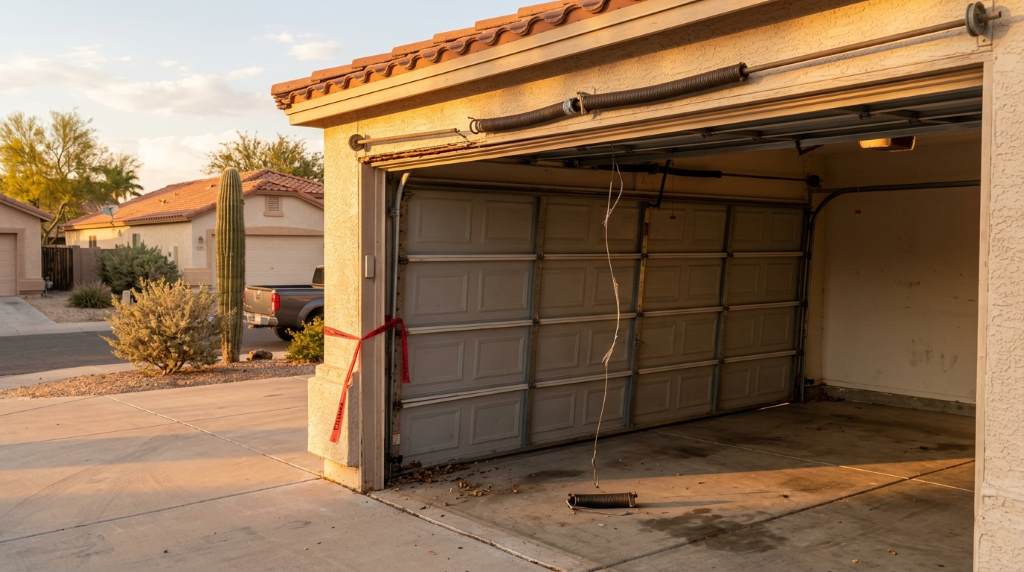
Garage doors protect vehicles, improve security, and support daily convenience for many homeowners in Phoenix. However, extreme desert heat and regular use can slowly affect their balance and movement. Studies show that garage doors can weigh more than 150 pounds, while spring systems handle most of that pressure daily. Because of this constant tension, even small mechanical issues can quickly create larger safety concerns. Many homeowners also search for guides on how to level a garage door when they first notice uneven movement or strange sounds. Understanding the common causes of imbalance helps homeowners prevent expensive repairs and extend the life of their garage doors.
Why Garage Door Balance Matters
A balanced garage door opens and closes smoothly without putting extra strain on the opener system. When the door becomes uneven, the motor must work harder during every cycle. Over time, this added pressure can damage tracks, rollers, and springs. In addition, an unbalanced door may suddenly slam shut and create serious safety risks.
Phoenix homeowners often overlook small warning signs until the problem becomes severe. For example, slow movement, shaking, or loud grinding sounds usually indicate balance problems. These issues rarely fix themselves without maintenance or repair. Therefore, early inspection can save both time and money.
Harsh Phoenix Heat Weakens Garage Door Components
Phoenix temperatures regularly exceed 100 degrees during summer months. Continuous exposure to heat causes metal components to expand and weaken over time. Springs and cables often lose tension faster in this environment. As a result, garage doors may begin lifting unevenly or sticking midway.
Rubber seals and rollers also wear down faster under intense desert conditions. Dry air increases friction inside moving parts and reduces smooth operation. Consequently, homeowners may notice jerking movements during opening and closing cycles. Regular lubrication helps reduce these effects and improves overall balance.
Spring Fatigue From Extreme Temperature Changes
Garage door springs handle most of the door’s weight during operation. However, constant heat exposure weakens spring tension much faster in Phoenix homes. Once one spring loses strength, the entire door becomes uneven. This imbalance places additional pressure on the remaining components.
Temperature swings between hot afternoons and cooler nights also stress metal springs repeatedly. Over time, this expansion and contraction create microscopic cracks. Eventually, springs may snap or fail unexpectedly. Annual spring inspections can help detect these problems early.
Worn or Damaged Garage Door Springs
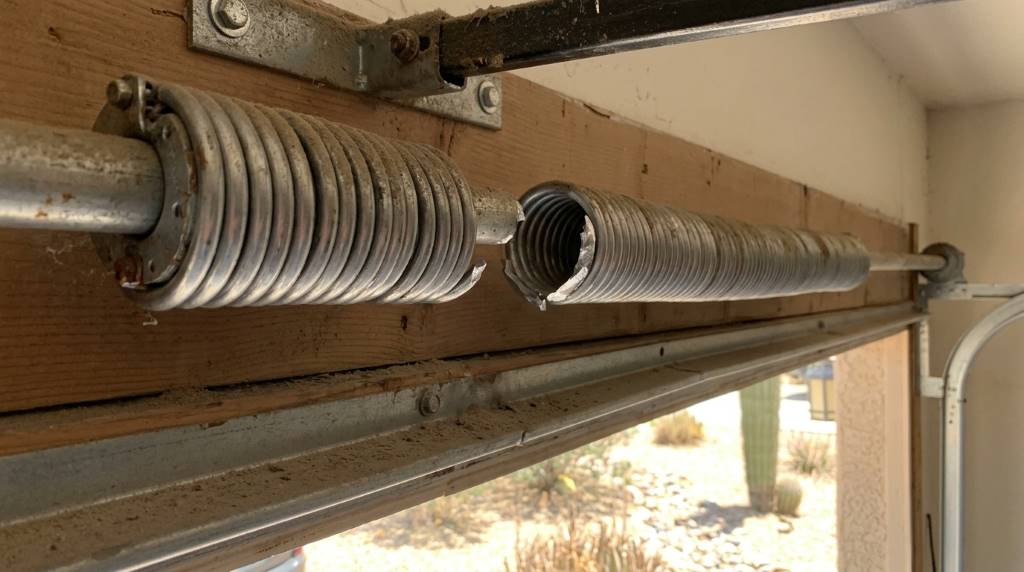
Broken or worn springs remain one of the leading causes of garage door imbalance. Torsion and extension springs gradually weaken after thousands of opening cycles. Since most families use garage doors multiple times daily, wear builds quickly. Consequently, spring performance declines over several years.
A damaged spring usually causes one side of the door to rise higher than the other. Homeowners may also hear loud popping sounds during operation. In many cases, the opener struggles because the springs no longer support the weight properly. Replacing springs promptly helps restore balance and prevents opener damage.
Signs Your Springs Need Attention
Watch for these common spring-related warning signs:
- Uneven door movement during opening
- Loud snapping or banging noises
- Visible gaps in torsion springs
- Door closing too quickly
- Crooked garage door alignment
Ignoring these symptoms often leads to more expensive repairs later. Therefore, quick action remains extremely important.
Loose or Frayed Garage Door Cables
Garage door cables work alongside springs to lift and lower the door safely. These cables carry significant tension during every operation cycle. Over time, moisture, dirt, and heat exposure weaken cable strands. Eventually, cables may loosen or begin fraying.
When one cable loses strength, the garage door lifts unevenly. One side may rise normally while the other drags behind. This issue quickly creates dangerous strain on tracks and rollers. Because cable systems remain highly tensioned, professional repairs are usually the safest option.
Phoenix dust storms also contribute to cable wear. Fine dust particles settle into pulley systems and increase friction. Consequently, cable movement becomes rougher and less reliable. Routine cleaning helps minimize this buildup and supports smoother operation.
Bent or Misaligned Tracks
Garage door tracks guide the door during opening and closing cycles. If tracks become bent or shifted, the door cannot move evenly. Minor impacts from vehicles or heavy objects often create alignment problems. Even small track changes can affect balance significantly.
Unbalanced movement usually becomes obvious once the rollers struggle to stay aligned. Homeowners may hear scraping noises or notice gaps between rollers and tracks. Additionally, the door may stop halfway during operation. Immediate adjustment helps prevent further mechanical damage.
Common Causes of Track Misalignment
Several issues commonly affect garage door tracks in Phoenix homes:
- Accidental bumps from vehicles
- Loose mounting brackets
- Foundation settling
- Excessive vibration over time
- Poor installation practices
Routine inspections can identify these problems before they worsen. Small adjustments often prevent major repairs later.
Worn-Out Rollers Affect Smooth Movement
Rollers allow the garage door to glide along its tracks smoothly. Over time, constant movement wears down plastic or metal roller surfaces. Once rollers become damaged, they create uneven pressure during operation. This uneven movement often causes balance issues.
Phoenix dust and dry conditions accelerate roller wear considerably. Dirt buildup increases friction and reduces smooth rotation. Consequently, homeowners may hear squeaking or grinding sounds during operation. Replacing old rollers improves movement and restores proper balance.
Nylon Rollers vs. Metal Rollers
Many homeowners choose nylon rollers because they operate more quietly. These rollers also resist rust better in dry climates. However, nylon components still wear down over time with heavy use. Metal rollers last longer but may become noisier without proper lubrication.
Selecting high-quality rollers helps reduce future maintenance problems. Professional installation also improves long-term reliability and balance.
Foundation Shifts in Phoenix Homes
Soil movement and foundation settling can affect garage door alignment unexpectedly. Phoenix homes often experience gradual shifting because of dry soil conditions and temperature fluctuations. As foundations settle unevenly, garage door frames may become slightly distorted. This shift creates balance and alignment issues.
Homeowners may notice gaps around the garage door edges or uneven floor contact. In some cases, doors begin rubbing against the frame during operation. Although these changes appear minor initially, they often worsen over time. Addressing foundation-related alignment problems early prevents larger structural concerns.
Poor Garage Door Installation
Improper installation creates long-term balance problems for many homeowners. If tracks, springs, or cables are not aligned correctly, uneven movement develops quickly. Some installers may also use incorrect spring sizes for the door weight. Consequently, the system cannot distribute weight properly.
A poorly installed garage door often produces ongoing operational problems. Homeowners may notice jerky movement, loud noises, or uneven closing patterns soon after installation. Professional adjustment usually resolves these issues before serious damage occurs. Choosing experienced installers reduces future repair risks significantly.
Installation Mistakes That Cause Imbalance
Common installation errors include:
- Incorrect spring calibration
- Uneven track placement
- Loose mounting hardware
- Poor opener alignment
- Improper cable tension
Careful installation ensures smooth performance and extends component lifespan.
Garage Door Opener Problems
The opener system also affects garage door balance and movement. Although springs handle most lifting work, the opener coordinates movement speed and direction. When opener settings become incorrect, the door may move unevenly. Sensor problems can also interrupt smooth operation.
Older opener systems struggle more once doors become slightly unbalanced. Motors work harder and wear out faster under excess strain. Homeowners may notice delayed responses or inconsistent opening speeds. Regular opener maintenance helps reduce these problems and supports balanced operation.
Lack of Routine Maintenance
Many garage door imbalance problems result from neglected maintenance. Small mechanical issues gradually worsen without inspection or lubrication. Dust accumulation, loose hardware, and worn parts often remain unnoticed for months. Eventually, these combined issues create uneven door movement.
Routine maintenance keeps all components working together properly. Lubricating springs, rollers, and hinges reduces friction and prevents premature wear. Tightening loose bolts also improves structural stability. Therefore, annual maintenance remains one of the best ways to avoid imbalance problems.
Simple Maintenance Tips for Homeowners
Homeowners can reduce garage door issues with several basic practices:
- Lubricate moving parts every few months
- Inspect springs and cables regularly
- Clean tracks to remove dirt buildup
- Listen for unusual sounds
- Schedule annual professional inspections
Consistent care improves safety and extends the door’s lifespan considerably.
Weather Exposure and Dust Storm Damage
Phoenix weather creates unique challenges for garage door systems throughout the year. Dust storms push dirt into tracks, rollers, and hinges regularly. This buildup interferes with smooth movement and increases wear on moving parts. Consequently, garage doors become more likely to shift out of balance.
Strong winds can also place sudden pressure on garage door panels. Large doors may flex slightly during severe storms, especially if components already show wear. Over time, repeated stress affects alignment and structural integrity. Reinforced hardware helps protect doors from weather-related imbalance issues.
Aging Garage Door Systems
Older garage doors naturally develop balance problems as components wear out together. Springs weaken, rollers crack, and tracks loosen after years of daily use. Although individual parts may still function, overall system performance declines gradually. This aging process eventually affects door balance.
Many Phoenix homes still use garage doors installed more than fifteen years ago. Older systems often lack modern safety and durability features. Upgrading worn components improves reliability and reduces repair frequency. In some cases, replacing the entire door becomes the most cost-effective solution.
Related:
Farmhouse Rustic Living Room Furniture Styling Guide
These Are My 4 Favorite Smart Home Devices for My Pets
When to Call a Professional
Some garage door issues appear minor but involve dangerous tension systems. Springs and cables store significant force that can cause serious injuries during repairs. Therefore, homeowners should avoid handling major balance repairs themselves. Professional technicians use specialized tools and safety procedures for accurate adjustments.
Call a professional if the garage door closes unevenly, shakes excessively, or produces loud noises. Immediate service also becomes necessary if springs snap or cables fray visibly. Quick repairs help prevent further structural damage and maintain safe operation. Professional inspections also identify hidden problems before they become emergencies.
Conclusion
Garage door imbalance problems often begin with small issues that worsen over time. Phoenix heat, dust storms, worn springs, and poor maintenance all contribute to uneven operation. Fortunately, regular inspections and prompt repairs can prevent most serious problems. Homeowners who address warning signs early usually avoid costly replacements and safety risks.
If your garage door shows signs of imbalance, schedule a professional inspection as soon as possible. Experienced technicians can identify the cause quickly and restore safe operation. Consistent maintenance also helps protect your investment for years to come. A properly balanced garage door improves safety, efficiency, and long-term reliability.
FAQs
Why does my garage door look crooked when opening?
A crooked garage door usually indicates spring, cable, or track imbalance.
Can Phoenix heat damage garage door springs?
Yes, extreme heat weakens metal springs and reduces their lifespan faster.
How often should garage doors receive maintenance?
Most garage doors should receive professional maintenance at least once each year.
Is an unbalanced garage door dangerous?
Yes, an unbalanced door can suddenly fall and cause injuries or property damage.
Should I repair garage door springs myself?
No, spring repairs involve high tension and require professional handling for safety.