Choosing the right paint colors transforms a coastal home and protects its long term visual appeal. Studies show that fresh exterior paint can increase perceived home value by up to 5%, while color influences most first impressions. Homeowners often explore coastal home color schemes before making decisions. However, selecting shades without considering Tampa’s climate often creates expensive design mistakes.
Understand Why Coastal Colors Look Different in Tampa
Tampa’s bright sunshine changes how paint appears throughout each day. High humidity also affects surface finishes and overall color perception. Therefore, always test paint under different lighting conditions before making final decisions.
Many homeowners focus only on paint chips inside stores before purchasing supplies. However, room furnishings also influence visual balance, much like this guide about farmhouse rustic living room styling demonstrates through coordinated interior design elements.
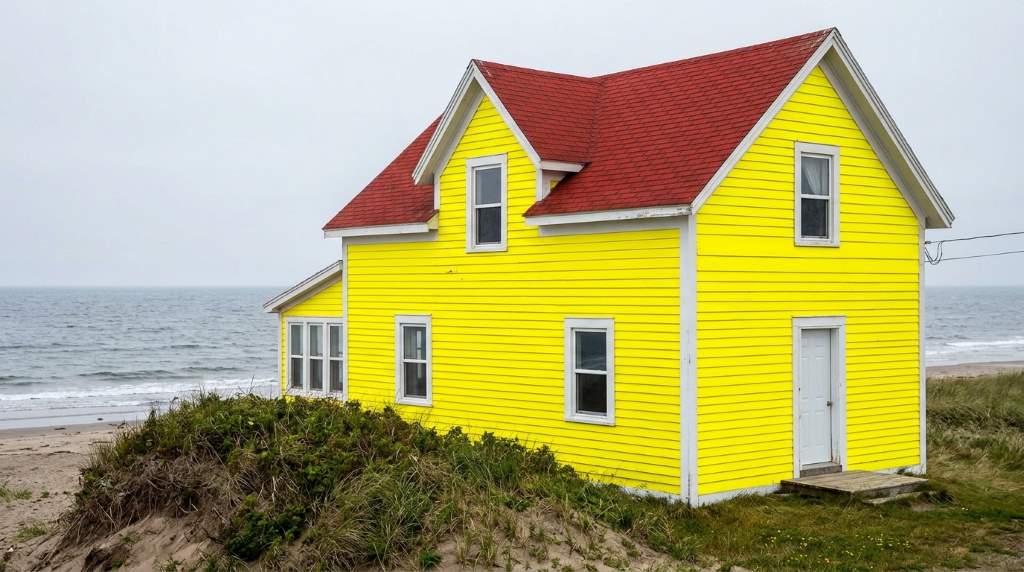
Observe Natural Light First
Morning sunlight creates cooler tones across walls and exterior siding surfaces. Meanwhile, afternoon sunlight often makes warm colors appear brighter and stronger. Test several sample boards before selecting permanent paint colors.
Account for Moisture and Reflection
Water nearby reflects additional light toward exterior walls every afternoon. Consequently, pale shades often appear brighter than expected after full installation. Dark colors may also absorb unnecessary heat during summer months.
Identify Common Coastal Home Color Mistakes
Many attractive paint colors fail because homeowners ignore surrounding architecture and landscaping. Instead, evaluate the complete property before selecting any final palette. Balanced color combinations create lasting curb appeal without overwhelming nearby homes.
- Using bright white that creates excessive glare.
- Selecting dark exterior colors that trap heat.
- Ignoring roof, driveway, and trim coordination.
- Choosing trendy colors without testing samples.
- Painting every surface with identical shades.
Avoid Overly Cool Gray Paint
Cool gray sometimes looks flat beneath Tampa’s intense sunshine throughout the year. Instead, warm gray with soft beige undertones creates better visual harmony. This approach also complements natural coastal surroundings beautifully.
Reduce Harsh Color Contrast
Sharp differences between siding and trim create distracting visual separation across exterior walls. Therefore, choose complementary shades that create gentle transitions instead of dramatic changes. Soft contrast usually delivers timeless curb appeal.
Choose Colors That Match Coastal Architecture
Coastal architecture works best with natural tones inspired by beaches, skies, and nearby landscapes. Additionally, maintaining structural features supports attractive design, just as understanding garage doors become unbalanced helps preserve exterior appearance and functionality.
Best Base Colors
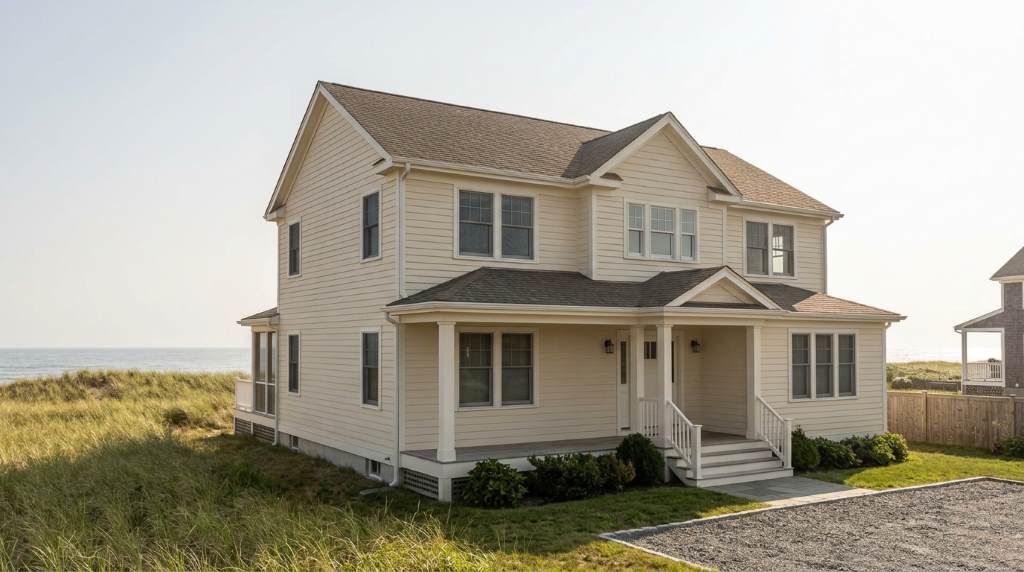
- Soft sand beige
- Warm off white
- Light greige
- Pale seafoam green
- Muted coastal blue
Accent Colors That Work Well
Navy shutters create classic coastal character without dominating the home’s appearance. Likewise, muted aqua doors introduce personality while maintaining elegant curb appeal. Natural wood finishes also blend beautifully with softer paint palettes.
Create Balance Between Exterior and Landscape
Paint colors should complement surrounding plants instead of competing for attention. Healthy greenery naturally enhances lighter exterior finishes throughout every season. Consequently, coordinated landscaping strengthens overall visual harmony.
Well maintained gardens improve color balance and outdoor appeal over time. Similarly, thoughtful planting methods, including smart potting blend practices, support healthier landscape features around colorful homes.
Coordinate Hardscape Features
Driveways, pathways, and patios should complement the selected exterior paint colors. Otherwise, mismatched materials reduce overall design consistency across the property. Review every permanent surface before finalizing paint selections.
Use Plants as Natural Color Partners
Green foliage softens strong exterior colors without requiring expensive remodeling projects. Flowering plants also introduce seasonal variation around neutral painted walls. Layered landscaping creates attractive depth from every viewing angle.
Test Paint Before Committing
Professional painters rarely recommend purchasing large quantities without testing paint first. Instead, apply generous samples across several exterior locations before deciding. Observe every sample during different weather conditions and daylight hours.
Paint Large Sample Areas
Small paint swatches rarely reveal how colors appear across complete exterior walls. Larger painted sections provide more accurate visual results from different distances. This method reduces costly repainting mistakes later.
Review Samples Over Several Days
Cloud cover, sunshine, and evening light significantly influence perceived paint colors outdoors. Therefore, wait several days before making the final purchase decision. Patience usually prevents expensive color disappointment.
Work With Quality Paint and Proper Preparation
Even perfect colors fail without careful surface preparation and durable exterior coatings. Clean walls thoroughly before applying primer and premium paint products. High quality materials improve appearance while extending paint lifespan.
- Wash every painted surface completely.
- Repair damaged siding before painting.
- Prime repaired areas carefully.
- Apply recommended paint thickness.
- Follow manufacturer drying instructions.
Choose Weather Resistant Finishes
Satin and low sheen finishes generally resist moisture while remaining easy to maintain. Glossy finishes highlight imperfections more easily across older exterior surfaces. Select finishes based on durability and maintenance expectations.
Conclusion
Fixing Tampa, FL coastal home color mistakes begins with careful planning instead of rushed decisions. Testing samples, coordinating surrounding features, and selecting climate appropriate colors produce lasting results. Thoughtful preparation also protects your investment while improving everyday enjoyment. Start evaluating your home’s current palette today and create a timeless coastal appearance with confidence.
Frequently Asked Questions
What colors work best for Tampa coastal homes?
Soft neutrals, warm whites, muted blues, and sandy beige shades usually perform best.
Should I avoid dark exterior paint?
Yes, very dark colors absorb more heat and often fade faster in strong sunlight.
How many paint samples should I test?
Test at least three different colors on large exterior sections before deciding.
Can landscaping affect paint color appearance?
Yes, surrounding plants and outdoor surfaces influence how exterior colors appear.
How often should coastal homes be repainted?
Most coastal homes benefit from repainting every seven to ten years depending on maintenance.