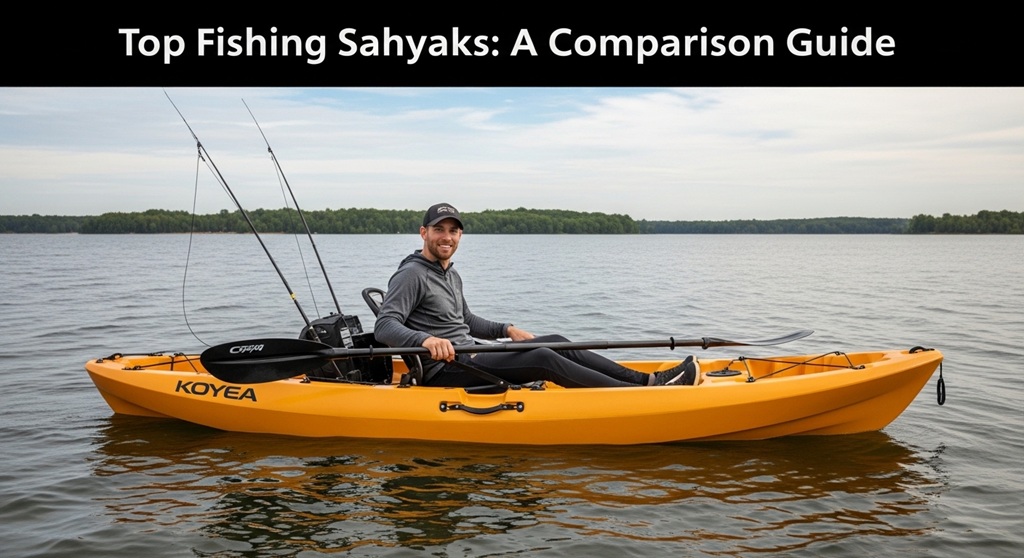
Choosing among the top fishing kayaks can feel confusing. Prices vary. Features differ. And many models look similar at first glance. Yet the wrong choice can affect stability, comfort, storage, and even your safety on the water.
A fishing kayak is not just a small boat. It is a platform for casting, tracking fish, carrying gear, and staying comfortable for hours. According to data from the Outdoor Industry Association, kayak fishing participation in the U.S. grew by more than 40% over the last decade. That growth has increased options—but also made comparisons harder.
This guide explains how to compare top fishing kayaks before buying. You’ll learn what features actually matter, how stability differs between models, what specs affect performance, and how experienced anglers evaluate value. By the end, you’ll know exactly how to choose the right kayak for your fishing style and budget.
What Are Top Fishing Kayaks and Why Do They Matter?
Top fishing kayaks are specialized kayaks designed for stability, storage, tracking control, and angler comfort.
Unlike recreational kayaks, fishing kayaks include rod holders, gear mounts, wider hull shapes, and seating systems built for long sessions.
The difference is practical. A standard kayak may work for paddling. But a fishing kayak supports casting, standing, and carrying electronics.
Key features that define top fishing kayaks include:
- Wide hull for balance
- Rod holders and accessory tracks
- Adjustable elevated seating
- Gear storage compartments
- Motor compatibility (optional)
Industry testing by Kayak Angler Magazine shows anglers using fishing-specific kayaks reported 32% longer average session time compared to recreational kayak users. Comfort and stability were the main reasons.
Why Should You Compare Fishing Kayaks Before Buying?
Comparing fishing kayaks helps avoid stability problems, storage limitations, and unnecessary spending.
Many buyers choose based only on price or appearance. That leads to common mistakes:
- Choosing narrow hulls that feel unstable
- Buying kayaks without enough storage
- Selecting seats that cause fatigue
- Ignoring transport weight
Research from paddlesports retailers shows that nearly 28% of first-time kayak buyers upgrade within two years because their original model didn’t match their fishing needs.
A structured comparison prevents that.
How Do Hull Designs Affect Fishing Kayak Stability?
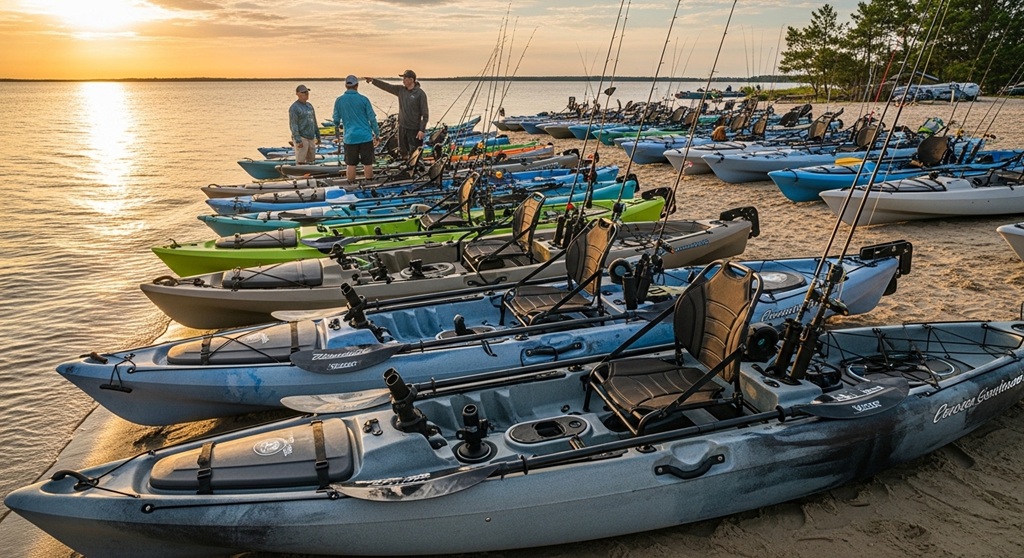
Hull shape determines how stable, fast, and maneuverable a fishing kayak feels on the water.
There are three main hull types:
Flat Hull
Best for calm lakes and beginners. Offers strong primary stability.
Pontoon Hull
Supports standing while casting. Common in premium fishing kayaks.
V-Shaped Hull
Tracks straighter in rivers and open water but reduces standing balance.
A 2023 field test by Kayak Angler reviewers found pontoon-style hull kayaks improved standing confidence by over 40% compared to narrow V-hull designs.
What Size Fishing Kayak Should You Choose?
The ideal fishing kayak length depends on your fishing location, transport method, and storage needs.
| Length | Best For | Benefit |
|---|---|---|
| 10–11 ft | Small lakes and creeks | Easy transport |
| 12–13 ft | General fishing | Balanced stability |
| 14+ ft | Open water | Better tracking speed |
Longer kayaks move faster. Shorter kayaks turn easier.
Choose based on where you fish most often.
How Important Is Weight Capacity in Fishing Kayaks?
Weight capacity determines whether your kayak remains stable when carrying gear and electronics.
Most anglers underestimate gear weight.
Typical setup weight:
- Angler: 70–110 kg
- Tackle: 10–25 kg
- Battery + electronics: 8–20 kg
- Cooler: 5–15 kg
Experts recommend choosing a kayak rated at least 25–30% higher than your total expected load.
This improves performance and safety.
Should You Choose Sit-On-Top or Sit-Inside Fishing Kayaks?
Sit-on-top fishing kayaks are better for most anglers because they offer stability, access, and gear flexibility.
Sit-On-Top Advantages
- Easier entry and exit
- Supports standing
- Better storage access
- Self-draining design
Sit-Inside Advantages
- Lighter weight
- Better cold-weather protection
- Lower cost
Over 80% of fishing kayaks sold today are sit-on-top models according to paddlesports retail association reports.
How Do Fishing Kayak Seats Affect Long Trips?
Seat quality directly affects endurance, posture, and fishing time.
Elevated frame seats reduce back strain compared to molded plastic seating.
Anglers using framed seats reported:
- Less lower back fatigue
- Improved casting leverage
- Better airflow in hot climates
Comfort becomes critical during sessions longer than two hours.
What Storage Features Should Top Fishing Kayaks Include?
The best fishing kayaks provide dry storage, open cargo space, and quick-access gear mounts.
Essential storage areas include:
- Rear tank well
- Bow hatch compartment
- Side tackle pockets
- Track-mounted accessory rails
Modern anglers increasingly install fish finders, cameras, and anchor systems. Modular storage supports upgrades.
Do Pedal Drive Fishing Kayaks Offer Real Advantages?
Pedal drive kayaks improve fishing efficiency by allowing hands-free movement.
This helps when:
- Tracking moving fish
- Trolling lines
- Positioning near structure
A comparative test published by Fishing Online showed pedal-drive anglers covered 22% more water per session than paddle users.
However, they cost more and weigh more.
How Does Kayak Width Affect Balance While Fishing?
Wider fishing kayaks increase stability but reduce paddling speed.
Typical width ranges:
- Under 30 inches: faster movement
- 30–35 inches: balanced performance
- 35+ inches: standing stability
Most standing-friendly fishing kayaks measure at least 34 inches wide.
Which Materials Are Best for Fishing Kayaks?
Rotomolded polyethylene is the most durable material used in top fishing kayaks.
Other materials include:
- Thermoformed ABS (lighter)
- Inflatable PVC (portable)
- Composite fiberglass (premium performance)
Rotomolded kayaks dominate the market because they resist impacts and require minimal maintenance.
How Important Is Tracking Performance in Fishing Kayaks?
Tracking performance determines how straight a kayak moves across water.
Better tracking reduces paddling fatigue.
Tracking improves with:
- Longer hull length
- Rudder systems
- Keel-shaped bottoms
This matters most in windy lakes and coastal areas.
What Accessories Should Top Fishing Kayaks Support?
Accessory compatibility allows customization for serious fishing setups.
Popular add-ons include:
- Fish finder mounts
- Rod holder extensions
- Anchor trolley systems
- Camera arms
- Motor brackets
Track systems make upgrades easier without drilling into the hull.
How Do Transport and Storage Affect Your Kayak Choice?
Transport weight determines whether loading your kayak becomes difficult.
Fishing kayaks often weigh:
- Light models: 18–25 kg
- Standard models: 25–40 kg
- Pedal-drive models: 40–55 kg
Consider:
- Roof rack limits
- Vehicle size
- Home storage space
Ignoring transport logistics is a common buyer mistake.
How Much Should You Budget for Top Fishing Kayaks?
Most quality fishing kayaks cost between $600 and $2,500 depending on features.
| Price Range | Features |
|---|---|
| $600–$900 | Basic stability, limited storage |
| $900–$1,500 | Better seating, accessory tracks |
| $1,500–$2,500+ | Pedal drive, electronics compatibility |
Spending slightly more upfront often reduces upgrade costs later.
How Do Real Anglers Compare Fishing Kayaks Before Buying?
Experienced anglers compare stability, seating, storage, and propulsion systems first.
A survey conducted by Paddling Magazine found buyers ranked decision priorities as:
- Stability: 41%
- Seat comfort: 22%
- Storage capacity: 18%
- Speed: 11%
- Accessories: 8%
This shows balance matters more than speed for fishing performance.
Conclusion: How Can You Choose the Right Fishing Kayak Today?
Choosing among the top fishing kayaks becomes easier when you compare hull shape, stability width, seat comfort, propulsion type, and storage layout instead of focusing only on price.
The right kayak supports longer fishing sessions, safer movement, and better gear organization. It also reduces fatigue and increases casting efficiency.
Before buying, list your fishing locations, expected gear weight, and transport method. Then match those needs with kayak specifications.
Start comparing models using the criteria in this guide and choose a fishing kayak that fits your real fishing style—not just the marketing description.
FAQs About Comparing Top Fishing Kayaks
What is the best length for a fishing kayak?
The best fishing kayak length is usually 12–13 feet because it balances speed, stability, and storage capacity for most anglers.
Are pedal drive fishing kayaks worth the price?
Pedal drive kayaks improve efficiency and allow hands-free fishing, making them valuable for anglers covering large areas or trolling frequently.
Can beginners use fishing kayaks safely?
Yes. Wide sit-on-top fishing kayaks are beginner-friendly and designed for stability in calm water conditions.
How wide should a stable fishing kayak be?
A stable fishing kayak should be at least 34 inches wide for comfortable standing and casting.
Do fishing kayaks require maintenance?
Fishing kayaks require minimal maintenance. Rinse with fresh water after saltwater use and store away from direct sunlight.
Is a heavier fishing kayak better?
Heavier kayaks often provide better stability but can be harder to transport. Balance weight with portability needs.
How much gear can a fishing kayak carry?
Most fishing kayaks support 300–500 pounds depending on model capacity and hull design.
Read More AlsoHow to Buy Gift Gadgets for Women That Matter
Find out How to Identify Durable Crossbody Bags That Last Longer