Surf and turf represents the ultimate indulgence in dining. This classic combination pairs premium steak with luxurious seafood on a single plate. The contrast between land and sea creates a memorable culinary experience that restaurants and home cooks have perfected over decades.
Understanding the Surf and Turf Concept
The term “surf and turf” originated in American restaurants during the 1960s. “Surf” refers to seafood from the ocean, while “turf” represents beef from the land. This pairing became popular as a symbol of prosperity and celebration dining.
The combination works because both proteins offer rich, distinct flavors. Additionally, the textures complement each other beautifully. Tender steak alongside succulent seafood creates balanced bites that satisfy diverse palates.
Restaurants typically feature surf and turf as premium menu items. Therefore, prices reflect the quality of both components. Home cooks also embrace this pairing for special occasions and dinner parties.
Classic Surf and Turf Combinations
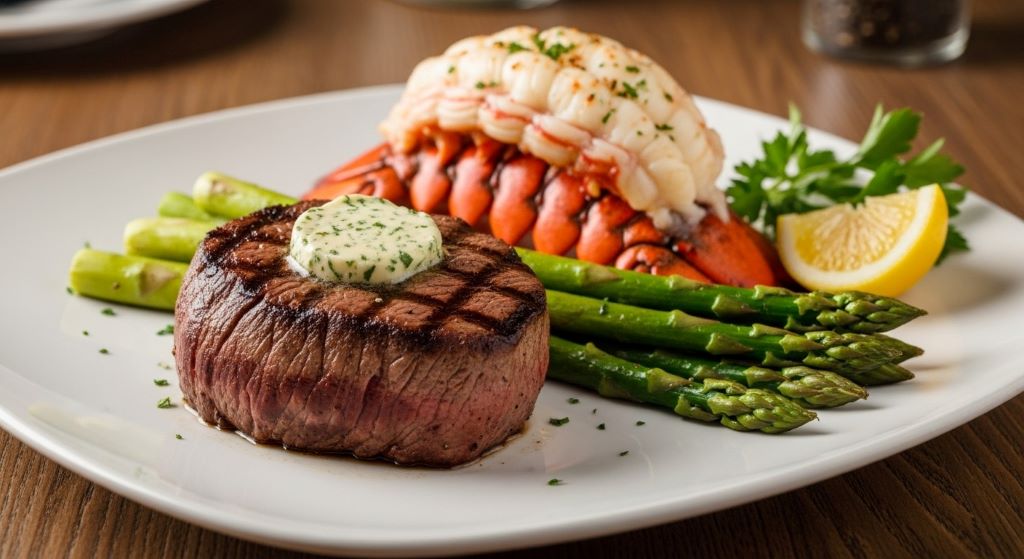
The most traditional pairing combines filet mignon with lobster tail. This duo represents the pinnacle of surf and turf dining. Both items offer buttery textures and mild, rich flavors that harmonize perfectly.
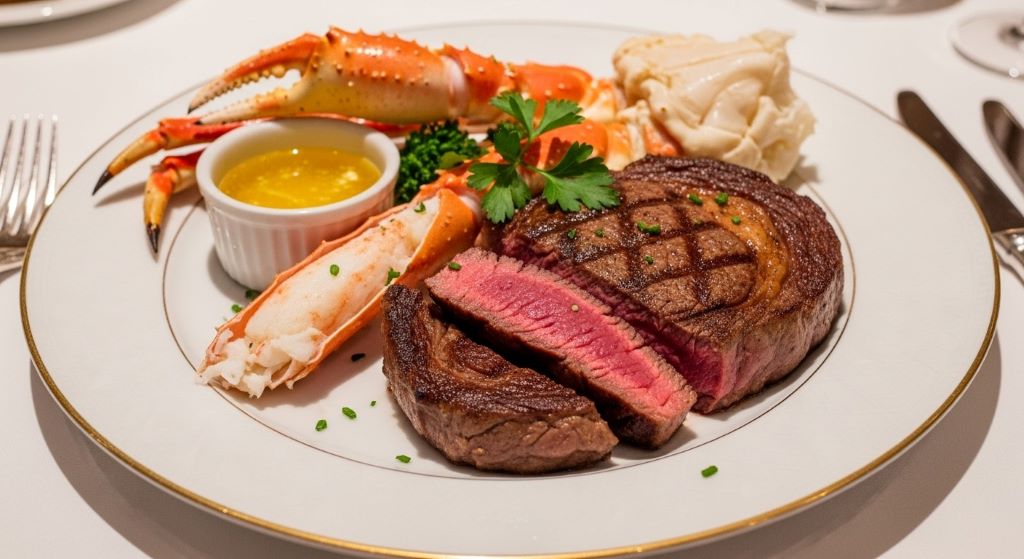
Ribeye steak paired with king crab legs creates another popular combination. The marbled ribeye provides robust beef flavor, while sweet crab meat offers delicate contrast. Moreover, both proteins benefit from simple butter-based preparations.
New York strip steak with jumbo shrimp delivers an accessible surf and turf option. This pairing costs less than lobster versions while maintaining impressive presentation. Furthermore, shrimp cook quickly, making this combination practical for home preparation.
Porterhouse steak with scallops offers generous portions and elegant flavors. The large steak provides enough meat to share, while seared scallops add sweetness and sophistication. Additionally, scallops cook in minutes, preventing kitchen stress.
Choosing the Right Steak
Filet mignon remains the most popular steak choice for surf and turf. Its tender texture and mild flavor never overwhelm seafood pairings. However, this cut commands premium prices due to limited availability per animal.
Ribeye delivers more pronounced beef flavor with exceptional marbling. This cut works best when paired with sweet seafood like lobster or crab. The fat content keeps the meat juicy during high-heat cooking.
New York strip offers firm texture and bold beefy taste. This cut pairs well with shrimp or scallops that won’t compete with strong flavors. Additionally, strip steaks cost less than filet mignon while delivering excellent quality.
Sirloin provides budget-friendly options without sacrificing taste. Top sirloin works particularly well for casual surf and turf preparations. Therefore, home cooks often choose this cut for practice before investing in premium steaks.
According to The Kitchn, proper steak cooking requires room temperature meat, high heat, and adequate resting time for optimal results.
Selecting Complementary Seafood
Lobster tail stands as the gold standard for surf and turf seafood. Cold-water lobster tails offer sweet, tender meat with luxurious texture. Broiling or grilling with butter enhances natural flavors without masking delicate taste.
King crab legs provide impressive visual appeal and sweet meat. Alaskan king crab legs contain large chunks of meat that pair beautifully with any steak cut. Moreover, steaming or baking preserves moisture and natural sweetness.
Jumbo shrimp offer versatility and quick cooking times. Black tiger prawns or Gulf shrimp work equally well when sized appropriately. Grilling or pan-searing creates caramelization that complements charred steak flavors.
Sea scallops deliver elegant sweetness and buttery texture. Dry-packed scallops sear better than wet-packed versions, creating desirable golden crusts. Additionally, scallops cook in under five minutes per side.
Salmon fillets create non-traditional surf and turf combinations. Rich, fatty salmon complements beef surprisingly well, especially with herb butter. However, this pairing works best with milder steak cuts to prevent flavor competition.
Preparation Methods for Perfect Pairing
Grilling both components creates cohesive smoky flavors throughout the meal. Start steak first, as it requires longer cooking times than most seafood. Meanwhile, seafood can finish during steak resting periods.
Pan-searing offers excellent control for indoor cooking. Cast iron skillets provide even heat distribution for perfect crusts. Furthermore, butter basting during cooking adds richness to both proteins.
Broiling works exceptionally well for lobster tails and tender steaks. High overhead heat creates caramelization without excessive char. Therefore, this method suits cooks with limited outdoor grilling options.
Combination cooking techniques optimize each protein separately. Grill or pan-sear steaks while broiling lobster tails in the oven. This approach prevents overcooking delicate seafood while achieving perfect steak doneness.
Seasoning and Flavor Enhancements
Simple seasoning allows quality proteins to shine. Salt and freshly ground black pepper provide foundation flavoring for both steak and seafood. Additionally, high-quality ingredients need minimal embellishment.
Garlic butter serves as the universal surf and turf enhancement. Compound butter with garlic, parsley, and lemon zest complements both land and sea proteins. Moreover, melted garlic butter doubles as dipping sauce for seafood.
Herb rubs add complexity without overwhelming natural flavors. Rosemary and thyme work particularly well with beef, while tarragon complements seafood beautifully. However, apply herbs sparingly to maintain balanced taste profiles.
Citrus elements brighten rich proteins and cut through fatty textures. Lemon wedges or lime juice enhance seafood while balancing beef richness. Therefore, always include citrus garnishes on surf and turf plates.
Side Dishes That Complete the Meal
Twice-baked potatoes provide classic steakhouse accompaniment. Creamy interiors and crispy skins offer textural contrast to tender proteins. Additionally, loaded versions with cheese and bacon add indulgent touches.
Asparagus spears complement surf and turf elegantly. Roasted or grilled asparagus maintains pleasant crunch while adding vegetable freshness. Moreover, asparagus pairs well with both steak and seafood traditionally.
Creamed spinach delivers steakhouse authenticity and comfort. Rich, velvety spinach balances protein-heavy main courses. Furthermore, this side dish can be prepared ahead and reheated before serving.
Caesar salad provides refreshing contrast to rich main courses. Crisp romaine and tangy dressing cleanse the palate between bites. Additionally, salads add nutritional balance to indulgent meals.
Garlic mashed potatoes offer comforting, familiar flavors. Buttery potatoes absorb meat juices and complement butter-based seafood preparations. Therefore, mashed potatoes remain perennial surf and turf favorites.
Wine and Beverage Pairings
Red wine traditionally accompanies steak, but surf and turf requires careful selection. Medium-bodied reds like Pinot Noir complement both beef and delicate seafood. Additionally, avoid heavily tannic wines that overpower shellfish.
White wine works surprisingly well with surf and turf combinations. Oaked Chardonnay provides enough body to stand up to steak while enhancing buttery seafood. Moreover, crisp acidity cuts through rich, fatty textures.
Champagne or sparkling wine creates celebratory atmosphere suitable for special occasions. Bubbles cleanse the palate between bites of rich proteins. Furthermore, dry sparkling wines complement both land and sea flavors.
Craft beer offers casual alternative to traditional wine pairings. Amber ales and brown ales provide malty sweetness that harmonizes with both proteins. However, avoid hoppy IPAs that clash with delicate seafood flavors.
According to Food & Wine, matching wine intensity to meat preparation ensures successful pairings without overwhelming either component.
Restaurant Versus Home Preparation
Restaurant surf and turf commands premium prices due to ingredient costs and preparation expertise. Expect to pay between 40 and 80 dollars for quality restaurant versions. Additionally, restaurants offer refined presentations and professional service.
Home preparation saves significant money while maintaining quality standards. Purchasing ingredients directly reduces costs by 50 to 70 percent. Moreover, home cooks control portion sizes and ingredient quality personally.
Special equipment improves home results but isn’t essential. Cast iron skillets and instant-read thermometers provide professional-quality tools affordably. Therefore, minimal investment yields restaurant-caliber results at home.
Practice improves home cooking confidence and outcomes. Start with less expensive cuts and seafood before attempting premium ingredients. Additionally, cooking for family allows experimentation without pressure.
Common Mistakes to Avoid
Overcooking seafood ruins texture and creates rubbery, unpleasant results. Lobster and shrimp cook quickly, requiring constant attention. Therefore, remove seafood from heat slightly before reaching desired doneness.
Underseasoning proteins wastes quality ingredients and disappoints diners. Both steak and seafood benefit from generous salting before cooking. Moreover, seasoning should occur at least 40 minutes before cooking or immediately before.
Incorrect timing causes one protein to cool while finishing the other. Plan cooking sequences so both components finish simultaneously. Additionally, warming plates helps maintain serving temperatures.
Overwhelming delicate flavors with excessive sauces masks ingredient quality. Premium proteins need minimal enhancement beyond butter and herbs. Therefore, save elaborate sauces for less expensive ingredients.
Skipping steak resting periods results in juice loss and dry meat. Allow steaks to rest five to ten minutes after cooking. Furthermore, resting redistributes juices throughout the meat for optimal tenderness.
Budget-Friendly Surf and Turf Options
Sirloin steak paired with large shrimp creates affordable versions. This combination delivers satisfying flavors at fraction of traditional costs. Additionally, both proteins remain widely available year-round.
Pork chops substitute for steak in creative surf and turf variations. Thick-cut pork chops offer similar textures to beef at lower prices. Moreover, pork’s mild flavor complements seafood beautifully.
Salmon and chicken create non-traditional pairings for budget-conscious cooks. While not classic surf and turf, this combination satisfies similar cravings affordably. Furthermore, both proteins cook quickly using identical methods.
Shopping sales and frozen seafood reduces costs significantly. High-quality frozen lobster tails and shrimp match fresh versions when properly thawed. Therefore, stock up during promotional periods for future special occasions.
Conclusion
Surf and turf represents culinary luxury through perfect steak and seafood pairing. Classic combinations like filet mignon with lobster tail deliver unforgettable dining experiences. However, numerous variations allow customization based on preferences and budgets. Simple preparation methods, proper seasoning, and careful timing ensure restaurant-quality results at home. Therefore, both novice and experienced cooks can master this impressive dish for special celebrations.
Frequently Asked Questions
What are the most popular surf and turf combinations?
Filet mignon with lobster tail represents the most classic pairing. Additionally, ribeye with king crab legs and New York strip with jumbo shrimp rank as popular alternatives. These combinations balance rich beef flavors with sweet, delicate seafood.
How much does surf and turf typically cost at restaurants?
Restaurant surf and turf dishes range from 40 to 80 dollars depending on ingredients and location. Premium establishments serving filet mignon and lobster tail charge higher prices. However, lunch specials and casual restaurants offer more affordable options.
Can I make surf and turf at home successfully?
Yes, home cooks can easily prepare restaurant-quality surf and turf. The key involves proper timing so both proteins finish cooking simultaneously. Additionally, using instant-read thermometers prevents overcooking expensive ingredients.
What wine pairs best with surf and turf?
Medium-bodied Pinot Noir works well with both steak and seafood components. Alternatively, oaked Chardonnay provides enough body for beef while complementing buttery seafood. Dry sparkling wines also pair excellently with surf and turf.
What sides should I serve with surf and turf?
Classic sides include twice-baked potatoes, asparagus, and Caesar salad. Creamed spinach and garlic mashed potatoes also complement rich proteins beautifully. Moreover, these sides can be prepared ahead for stress-free entertaining.
Related Topics:
Tips to make your fried tacos recipe last crisp fresh longer